
Bankruptcy Attorney Q & A - How Soon After Bankruptcy Can I Buy a House?
Judsone Carusone • May 11, 2022
How long will I have to wait before I can get a conventional home loan and buy a house?

Bankruptcy Attorney Q & A - How Soon After Bankruptcy Can I Buy a House?
Clients frequently ask about their future credit ratings after bankruptcy and especially about being able to get a mortgage to buy a house. The answer to this question is not always simple as it varies by the type of mortgage. This blog addresses conventional home loans. If you qualify for a FHA or VA loan, you should read our related blog. Just pasted this link into your browser window
https://www.oregon-attorneys.com/bankruptcy-attorney-q-a-part-2-how-soon-after-bankruptcy-can-i-get-an-fha-loan-and-buy-a-house
The majority of conventional home loans are sold with in 6 months by the original lender. Fannie Mae and Freddie Mac are the largest purchases of these home loans, buying upwards of 65% of the annual home loans. We call this the secondary mortgage market. The rest of these loans are purchased by banks, hedge funds and asset backed trusts. Over the life of a 30 mortgage, it may be sold several times. A bankruptcy or other major negative credit event will create a waiting period before you qualified for a home loan that can be purchase by Fannie Mae or Freddie Mac. Many original lenders want the home loans qualified for purchase by Fannie Mae and Freddie Mac. So they try to meet Fannie Mae and Freddie Mac standards in all cases.
Here are the waiting periods for these home loans to be qualified for purchase by Fannie Mae and Freddie Mac.
• A Chapter 7 or Chapter 11 Bankruptcy waiting period is 4 years from the discharge or dismissal date of the bankruptcy action. A 2 year waiting period is allowed if extenuating circumstances are documented.
• A Chapter 13 Bankruptcy waiting period is 2 years from the discharge date or 4 years from the dismissal date. This shorter waiting period after discharge recognizes that borrowers have already met a portion of the waiting period within the time needed for the successful completion of a Chapter 13 plan. A borrower who was unable to complete the Chapter 13 plan must wait 4 years. A 2 year waiting period is allowed if extenuating circumstances are documented as to a dismissed case.
• A borrower who filed more than one bankruptcy within the past 7 years has a 5 five-year waiting period from the most recent dismissal or discharge date. However, two or more borrowers with individual bankruptcies are not cumulative, and do not constitute multiple bankruptcies. For example, if the borrower has one bankruptcy and the co-borrower has one bankruptcy this is not considered a multiple bankruptcy situation requiring a 5 year waiting period. A 3 year waiting period is allowed if extenuating circumstances are documented and is measured from the most recent bankruptcy discharge or dismissal date. But the most recent bankruptcy filing must have been the result of the extenuating circumstances.
You still need to rebuild your credit and avoid accumulating a lot new debt to before you can buy a house. And you have to have sufficient income and a good loan to value ratio to buy a house so you can meet the standards to qualify for a home loan. Check out our blog posts on rebuilding your credit after bankruptcy. Just paste these links into your browser window:
https://www.oregon-attorneys.com/5-steps-to-rebuilding-your-credit
https://www.oregon-attorneys.com/filing-bankruptcy-is-just-the-first-step-in-rebuilding-your-credit
These bankruptcy waiting periods may or may not be better then the alternatives. Here are the waiting periods for non-bankruptcy major negative credit events.
• Foreclosure requires a 7 year waiting period measured from the completion date of the foreclosure action as reported on the credit report or other foreclosure documents provided by the borrower. A 3 year waiting period is allowed if extenuating circumstances are documented.
• Foreclosure and Bankruptcy on the Home Loan.
If a home loan was discharged through a bankruptcy, the bankruptcy waiting periods is applied if the new lender can document that the mortgage obligation was discharged in the bankruptcy. Otherwise, the greater of the applicable waiting periods applies.
• Deed-in-Lieu of Foreclosure, Pre-foreclosure Sale (often called a short sale), and Charge-Off of a Mortgage Account require a 4 year waiting period from the completion date of the deed-in-lieu of foreclosure, pre-foreclosure sale, or charge-off as reported on the credit report or other documents provided by the borrower. These events are alternatives to foreclosure. A 2 year waiting period is allowed if extenuating circumstances are documented.
• A deed-in-lieu of foreclosure is a transaction in which the deed to the real property is transferred back to the servicer. These are typically identified on the credit report through Remark Codes such as “Forfeit deed-in-lieu of foreclosure.”
• A pre-foreclosure sale or short sale is the sale of a property in lieu of a foreclosure resulting in a payoff of less than the total amount owed, which was pre-approved by the servicer. These are typically identified on the credit report through Remark Codes such as “Settled for less than full balance.”
• A charge-off of a mortgage account occurs when a creditor has determined that there is little (or no) likelihood that the mortgage debt will be collected. A charge-off is typically reported after an account reaches a certain delinquency status and is identified on the credit report with a manner of payment (MOP) code of “9.”
Additional requirements may apply, especially when seek a shorter extenuating circumstances period. Only the purchase of a principal residence is permitted. Only limited cash-out refinances are permitted. You may need a larger down payment. For the purchase of second homes or investment properties and large cash-out refinances you must wait the full 7 years.
These rules are subject to change, so one should consult a mortgage broker for the most up to date requirements for buying a home.

Discover how Oregon and federal bankruptcy exemptions differ and what those options could mean for your property and retirement accounts
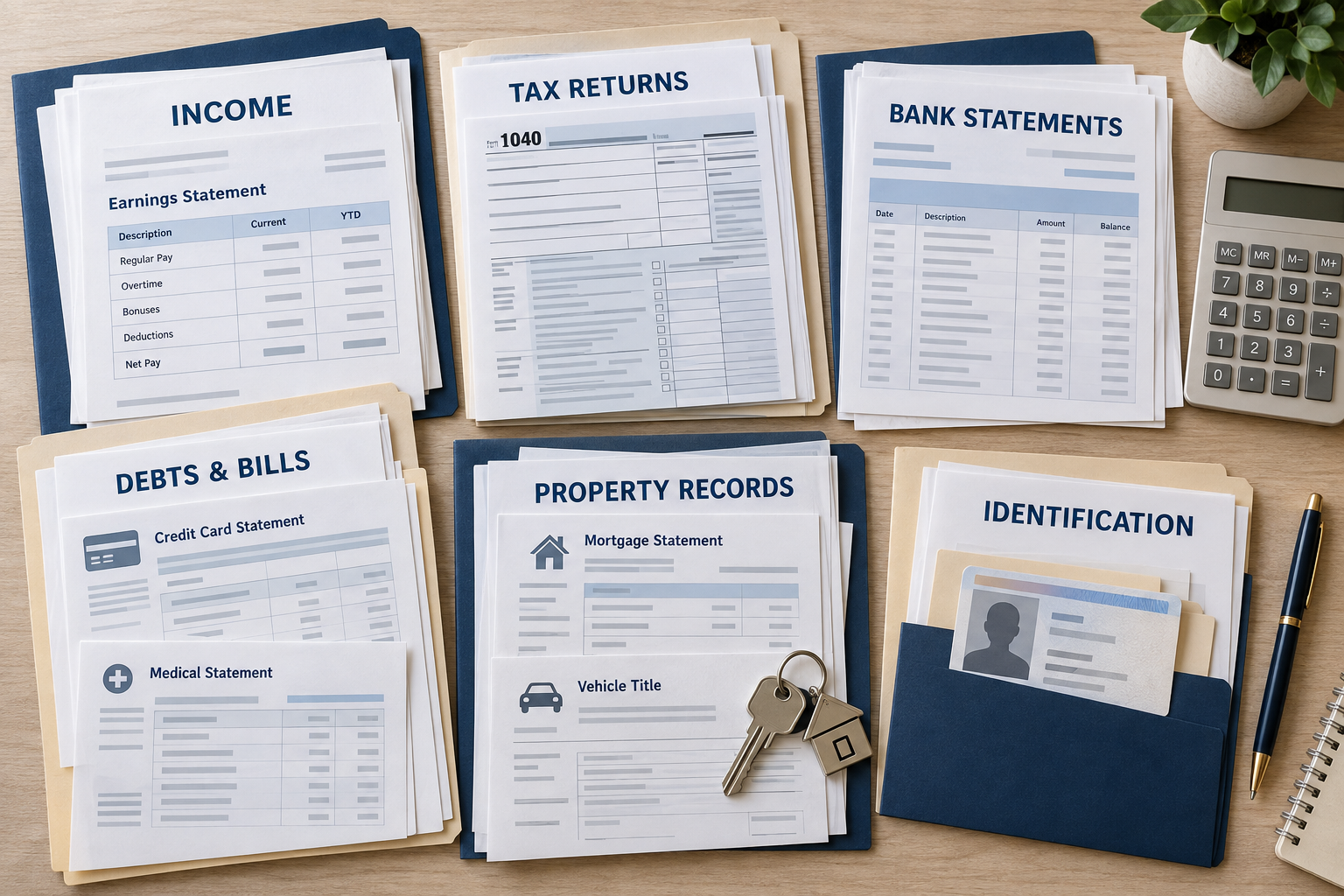
Preparing to file bankruptcy in Oregon? Use our bankruptcy checklist to gather essential documents, organize your records, and avoid common filing delays.

How does bankruptcy affect renters and landlords? Learn about eviction stays, back rent, leases, tenant protections, and landlord remedies.

Discover how company bankruptcy works, who should file, how personal guarantees affect owners, and which bankruptcy options may fit your business.

Discover the most common types of bankruptcy fraud, including asset concealment, serial filings, and petition mills, plus how to stay compliant.
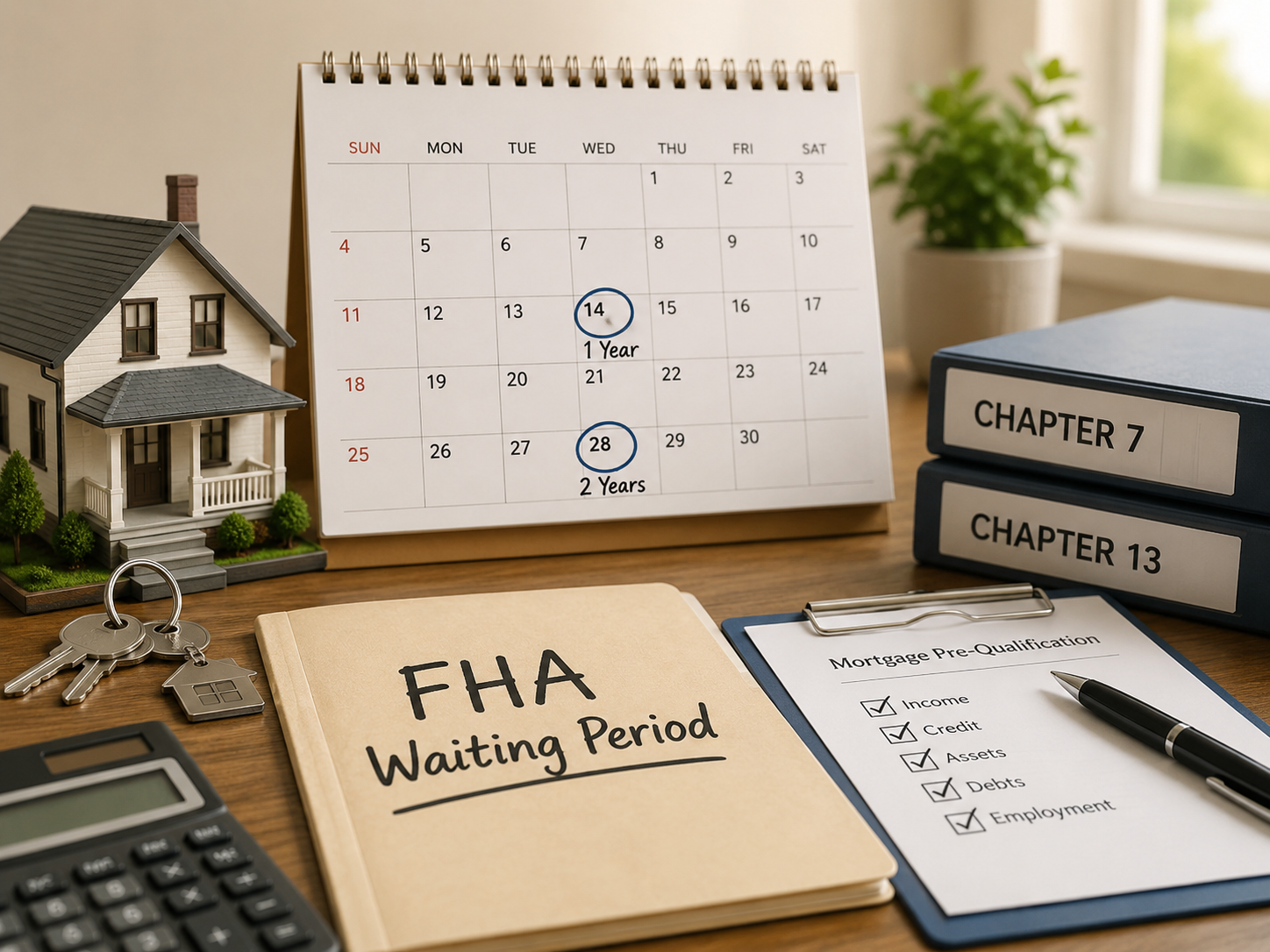
Explore the FHA bankruptcy waiting period, Chapter 7 and Chapter 13 timelines, rare exceptions, and how to prepare for homeownership.
Discover how the Oregon statute of limitations on debt affects creditors and consumers. Learn your rights and debt relief options today.
Worried about car repossession in Oregon? Learn how the process works, your rights, and options to prevent vehicle loss.
Understand federal bankruptcy exemptions and what assets you can keep, including your home, vehicle, and retirement savings.

Learn who qualifies for a COVID tax refund, key IRS deadlines, and how to claim your money before time runs out.
Share On: